Most people do not think about risk until something goes wrong. Then they want to know why. Who made the mistake. What rule was broken. Who is to blame.
These five books answer that question differently. They show you that risk is not about bad decisions made by careless people. It is about systems, pressure, communication and human behaviour.
You do not need to work in safety to find these useful. You just need to be curious about why things go wrong, and what it actually takes to stop them.
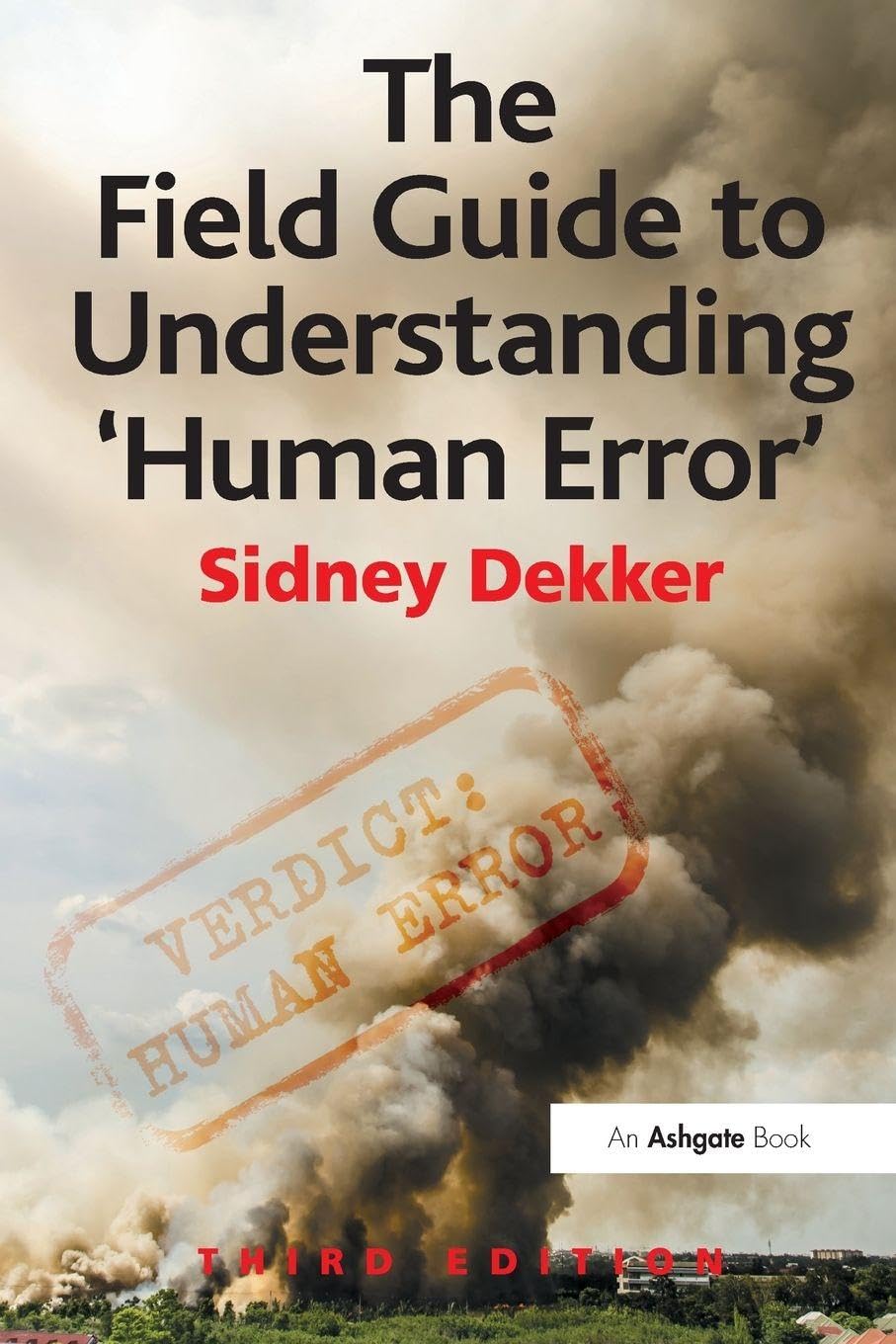
1. The Field Guide to Understanding Human Error — Sidney Dekker
When something goes wrong, the instinct is to find the person who caused it. Dekker shows why that instinct is wrong almost every time. Failures happen because systems create the conditions for failure, people are usually doing their best inside those conditions. This book changes how you see accidents, investigations and blame.
Who it’s for: Curious readers who want to understand why disasters happen and why blaming individuals rarely prevents the next one.
Who it’s not for: Those looking for simple answers or clear villains. Dekker removes both. That is what makes it valuable.
Our rating: ⭐⭐⭐⭐ 4/5
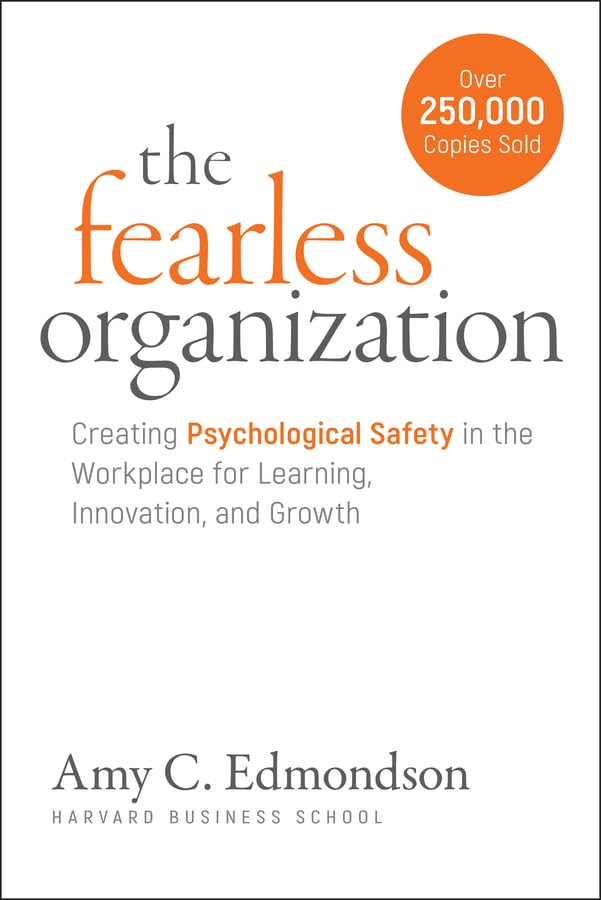
2. The Fearless Organization — Amy Edmondson
Think about the last time you saw something that did not look right but said nothing. Edmondson has spent her career studying why that happens and what it costs. When people do not feel safe speaking up, problems grow in silence. This book explains how the cultures we build either invite honesty or quietly punish it.
Who it’s for: Anyone who works in a team, manages people or has ever wondered why nobody said anything before it got bad.
Who it’s not for: Those who want hard data or sector‑specific research. The examples lean corporate but the pattern is universal.
Our rating: ⭐⭐⭐⭐⭐ 5/5
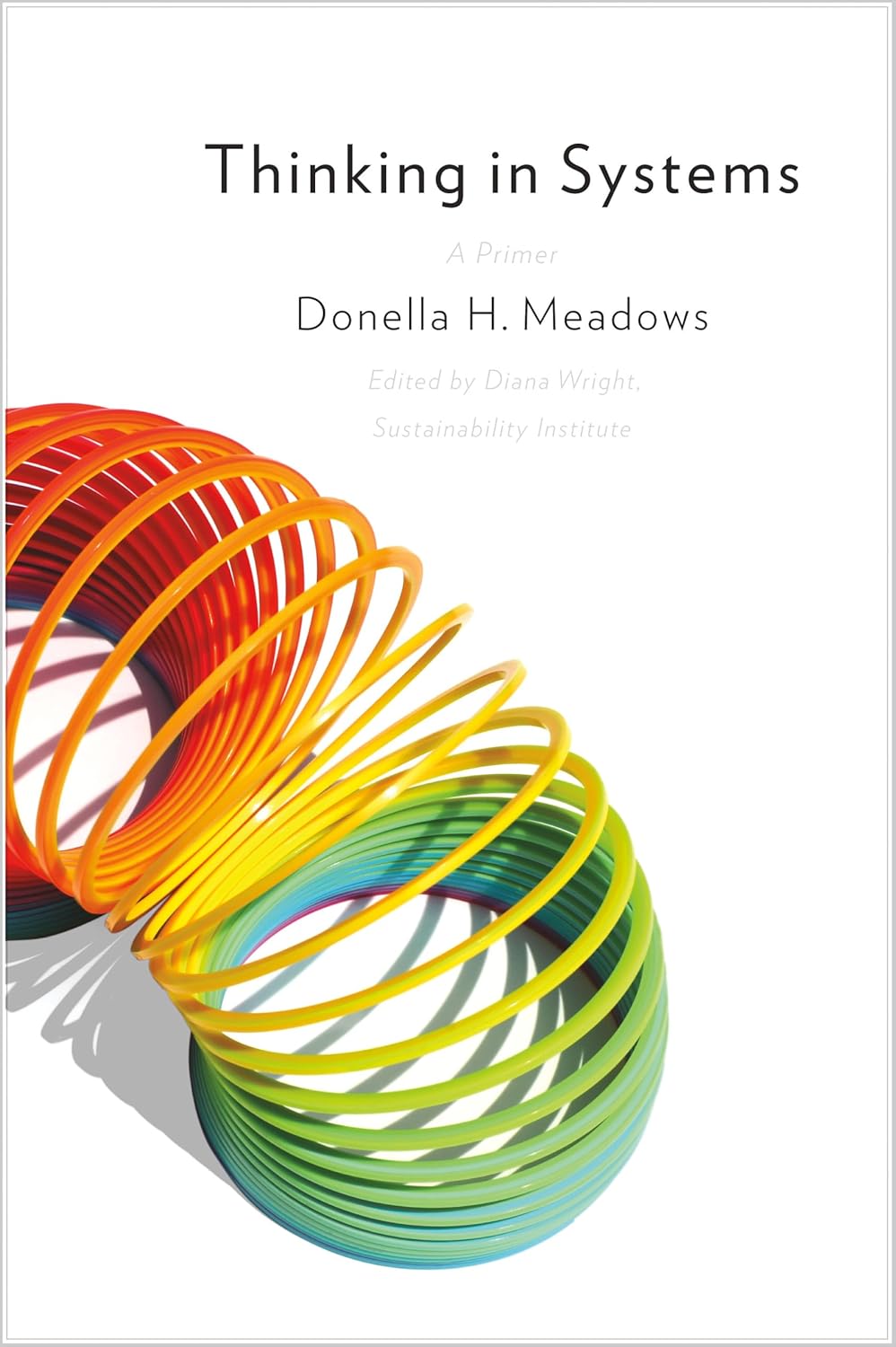
3. Thinking in Systems — Donella Meadows
Things rarely go wrong for one reason. They go wrong because of how parts of a system interact, how pressure builds in one place and releases somewhere unexpected, how a decision made on Monday creates a problem on Friday that nobody connects back. Meadows teaches you to see those patterns. Once you can see them, they are everywhere.
Who it’s for: Anyone who has ever asked why the same problems keep coming back no matter how many times they are “fixed.”
Who it’s not for: Those wanting something immediately practical. This is a book about how to think. The applications follow later.
Our rating: ⭐⭐⭐⭐ 4/5
4. Made to Stick — Chip and Dan Heath
Most warnings do not work. Most safety messages are forgotten before the day is out. This book explains why some ideas survive and others disappear and what makes the difference. It is not about safety specifically. It is about communication. Read it and you will start noticing why some messages land and others never do.

Who it’s for: Anyone who has ever delivered a message that mattered and watched it be ignored. Anyone who communicates anything to anyone.
Who it’s not for: Those looking for safety‑specific examples. You will need to make the connections yourself. They are not hard to find.
Our rating: ⭐⭐⭐⭐ 4/5
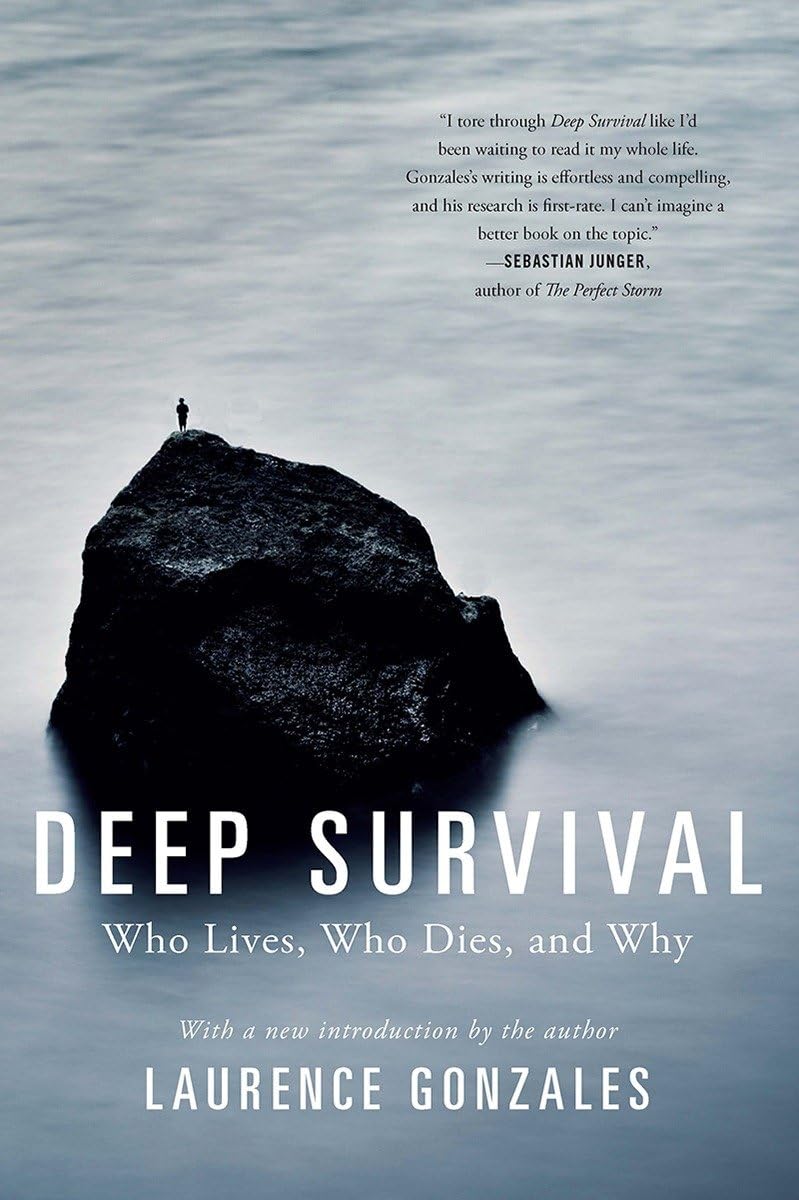
5. Deep Survival — Laurence Gonzales
This is the most human book on the list. Gonzales looks at people in extreme situations and asks what separates those who make it from those who do not. The answer is not fitness or training or experience. It is how the mind works under pressure. How perception narrows and how good people make terrible decisions when the conditions are right.
Who it’s for: Anyone curious about human behaviour, decision‑making and what we are actually like when things get hard.
Who it’s not for: Those wanting technical frameworks or practical tools. This one works on you quietly. Let it.
Our rating: ⭐⭐⭐⭐ 4/5
None of these books will tell you what to do. They will change how you see. And that turns out to matter more. Risk is not out there somewhere waiting to be managed. It is in the systems we build, the cultures we allow and the conversations we avoid. These books show you where to look. The rest is up to you.
If reading this made you realise your organisation might be seeing risk through the wrong lens, we can help.
Our consultation services work with teams and leaders to build clearer thinking, stronger communication and safer systems. If you want support shifting how your organisation understands and manages risk, get in touch. A conversation is often all it takes to start seeing things differently.